Best Phone Chargers UK
Find the perfect phone charger for your device. Compare fast chargers, wireless chargers, portable power banks and brand-specific chargers for Samsung, iPhone and more — all with free UK delivery.
Our Top Phone Charger Picks for 2026
Expert-tested and rated. These are the best phone chargers we recommend to UK buyers right now.
UGREEN Nexode 30W
Compact GaN charger with USB-C PD 3.0. Fast-charges iPhone 16, Samsung Galaxy, and Pixel. UK 3-pin plug.
- 30W USB-C PD
- GaN III technology
- Foldable plug
- Universal compatibility
Baseus 65W GaN5
Tri-port charger (2× USB-C + 1× USB-A). Powers a phone, tablet, and laptop simultaneously.
- 65W total output
- 3 ports
- Laptop compatible
- Compact design
UGREEN 10,000mAh Power Bank
Slim portable charger with 20W USB-C PD. Airline-approved capacity charges most phones twice.
- 10,000mAh
- 20W PD fast charge
- Airline safe
- LED indicator
Quick Comparison — Best Phone Chargers 2026
| Category | Product | Key Specs | Price | Buy |
|---|---|---|---|---|
| Best Overall |  SmartGear 65W GaN Dual USB-C SmartGear 65W GaN Dual USB-C | GaN III · 2× USB-C · PPS · Foldable UK plug | £19.99 | Buy → |
| Best Value |  SmartGear 65W Travel Charger SmartGear 65W Travel Charger | 65W · 2× USB-C · UK+US plugs · 15.5mm thin | £23.99 | Buy → |
| Best for Travel | SmartGear 65W Travel Charger | 65W · International plugs · Ultra-thin | £23.99 | Buy → |
| Best for Samsung | SmartGear 65W GaN Dual USB-C | 45W PPS for S25 Ultra · Dual USB-C | £19.99 | Buy → |
| Best for MacBook |  SmartGear 100W Desktop Station SmartGear 100W Desktop Station | 100W PD 3.1 · 4 ports · Charges MacBook Pro | £24.99 | Buy → |
Types of Phone Chargers
From fast wired chargers to wireless pads and portable power banks — here's every type of phone charger explained.
Fast Chargers
GaN fast chargers deliver 20–65W via USB-C, charging your phone from 0–50% in under 30 minutes. Perfect for Samsung, iPhone 16, and Pixel devices.
- USB-C Power Delivery
- 20W–65W output
- 0–50% in 30 min
- GaN technology
Wireless Chargers
Qi-certified wireless charging pads and stands let you charge without cables. Simply place your phone down and charge at up to 15W.
- Qi2 compatible
- Up to 15W
- No cable needed
- LED indicators
Portable Chargers
Power banks and portable chargers keep your phone topped up on the go. From slim 5,000mAh pockets to 20,000mAh travel companions.
- 5,000–20,000mAh
- USB-C PD output
- Airline approved
- Multi-device
Samsung Chargers
Samsung Galaxy-optimised chargers with 25W Super Fast Charging and PPS support. Compatible with Galaxy S25, S24, A-series, and Galaxy Tab.
- 25W Super Fast
- PPS protocol
- Galaxy optimised
- Official compatible
iPhone Chargers
USB-C fast chargers, MagSafe, and Qi2 wireless for iPhone 16, 15, SE & earlier. 20W–27W wired and 15W–25W wireless options.
- USB-C PD fast charge
- MagSafe & Qi2
- iPhone 16 & 15
- From £14
Shop Top-Rated Phone Chargers
In stock · Free UK delivery
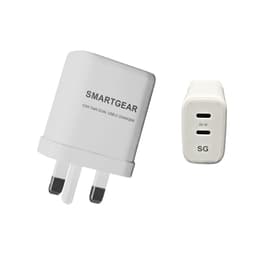
SmartGear 65W GaN Dual USB-C
- GaN III · Dual USB-C
- Samsung 45W PPS
- Foldable UK plug
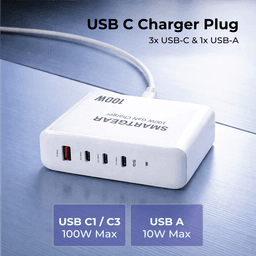
SmartGear 100W Desktop Station
- 4 ports · PD 3.1
- Charges MacBook Pro
- Desktop design
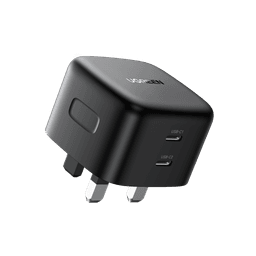
UGREEN Nexode 65W GaN
- 3 ports · Compact
- PPS for Samsung
- UK 3-pin plug
How to Choose the Right Phone Charger
Not sure what phone charger you need? Use our expert buying guide to find the perfect match for your device and budget.
Wattage & Speed
Match the charger wattage to your phone's maximum: iPhone 16 supports 27W, Samsung Galaxy S25 supports 25W (45W for Ultra). A 30W charger covers most phones.
Safety Certifications
Look for CE, UKCA, and USB-IF certification. GaN chargers from reputable brands include overcurrent, overvoltage, and temperature protection circuits.
Connector Type
USB-C is now the universal standard. All new iPhones, Samsung, and Pixel phones use USB-C. Ensure your charger and cable both support the wattage you need.
GaN vs Silicon
GaN (Gallium Nitride) chargers are up to 40% smaller and run cooler than traditional silicon chargers at the same wattage. They're the best choice in 2026.
Number of Ports
Multi-port chargers let you charge your phone, tablet, and earbuds from one compact brick. Look for at least one USB-C port with PD for fast charging.
Cable Quality
A cheap cable can bottleneck your charger's speed. Use a USB-C cable rated for at least 60W (3A at 20V) with E-Marker chip for reliable fast charging.
Phone Chargers by Device
Every phone has different fast-charging requirements. Here's what you need for the most popular brands.
Samsung Phone Chargers
Samsung Galaxy S25, S24, and A-series phones support 25W Super Fast Charging via USB-C with PPS (Programmable Power Supply). The Galaxy S25 Ultra supports up to 45W wired charging. Samsung no longer includes a charger in the box, so you'll need a third-party USB-C charger with PPS support — UGREEN and Baseus both offer excellent Samsung-compatible options at half the price of official accessories.
View Samsung charger recommendationsiPhone Chargers
iPhone 16 and 15 series use USB-C and support up to 27W wired fast charging with USB-C PD. Older iPhones (14 and below) use Lightning connectors. For MagSafe wireless charging, iPhones support up to 15W (25W on iPhone 16). Any quality USB-C PD charger rated at 30W or higher will fast-charge your iPhone. Apple's own 30W charger retails at £39 — third-party GaN chargers deliver the same performance from £15.
View iPhone charger recommendationsGoogle Pixel Chargers
Google Pixel 9 and Pixel 8 charge at up to 27W wired via USB-C PD and 23W with the Pixel Stand (Qi wireless). Standard Qi wireless charging works at 12W. A 30W USB-C PD charger is the sweet spot for Pixel phones — any charger that fast-charges an iPhone will work identically with Pixel. No special protocols required.
See our Google Pixel charger guideExplore Phone Charger Categories
iPhone Chargers
USB-C, MagSafe & Qi2 chargers for iPhone 16, 15 & SE. From £14.
View iPhone chargersPortable Phone Chargers
Power banks from 5,000mAh to 20,000mAh. Fast-charge on the go with USB-C PD.
View portable chargersWireless Phone Chargers
Qi & Qi2 pads, stands, and MagSafe-compatible chargers. Cable-free convenience.
View wireless chargersSamsung Chargers
25W & 45W Super Fast Charging with PPS. Galaxy S25, S24, and A-series compatible.
View Samsung chargersTravel Chargers
GaN travel chargers with multi-country adapters. Pack light, charge fast abroad.
View travel chargersCar Chargers
USB-C PD car chargers for iPhone, Samsung & laptops. From £10.
View car chargersUSB-C Chargers
Type C chargers, USBC chargers & USB C fast charger options for every device.
View USB-C chargersNintendo Switch Charger
USB-C chargers for Switch, Switch 2, OLED & Lite. Which wattage is safe?
Switch charger guideSteam Deck Charger
45W USB-C PD chargers for Steam Deck & OLED. Fast charge in 90 minutes.
Steam Deck charger guideReady to Buy? Shop Chargers Now
In stock · Free UK delivery
SmartGear 65W GaN Dual USB-C
- GaN III · Dual USB-C
- Samsung 45W PPS
- Foldable UK plug
SmartGear 100W Desktop Station
- 4 ports · PD 3.1
- Charges MacBook Pro
- Desktop design
UGREEN Nexode 65W GaN
- 3 ports · Compact
- PPS for Samsung
- UK 3-pin plug
Why not just buy from Amazon?
Amazon risk
- · Grey-market imports without UK plugs
- · No UKCA mark — unknown safety testing
- · Mixed inventory — genuine & fake in same bin
- · 3rd-party sellers disappear after complaints
SmartGear guarantee
- · CE/UKCA certified — independently tested
- · UK warehouse — no import surprises
- · Free UK delivery on every order
- · 30-day returns, real UK support team
Phone Charger FAQs
Answers to the most common questions about phone chargers, battery health, and charging speeds.
How do I charge my phone without a charger?
How do I clean my phone charger port?
How can I make my phone charger faster?
Can you take phone chargers in hand luggage?
How long does a phone charger last?
What phone charger do I need?
Can a charger damage my phone battery?
What is the difference between fast charging and wireless charging?
Phone Charger Guides & Articles
Best Phone & Laptop Chargers UK (2026)
Expert-tested reviews of the top USB-C chargers in the UK market.
15 min readFast Charging vs Super Fast Charging
Understand the differences between charging standards and speeds.
10 min readWhy Fast Chargers Overheat
The science behind charger overheating and how to choose safely.
12 min readUSB-C Charging Explained
Everything you need to know about USB-C PD and charging protocols.
8 min readWireless vs Wired Charging
Speed tests, battery health impact, and cost analysis for UK buyers.
13 min readPower Bank Buying Guide 2026
How to choose the right portable charger for your needs.
10 min readUniversal Laptop Charger Guide
One charger for every laptop. USB-C PD compatibility for ASUS, Dell, HP, Lenovo & MacBook.
12 min readBest 65W GaN Charger UK 2026
65W is the sweet spot for most people. Charges a MacBook Air, iPhone and Samsung Galaxy from one compact GaN adapter.
10 min readPower Bank Guide — Every Brand Compared
Best power banks reviewed. Anker, UGREEN, Baseus & MagSafe power banks rated for 2026.
16 min readUSB Cable Guide — Every Type Compared
USB-C to USB-A, USB-C, Lightning & HDMI cables. Speed-rated and expert-tested.
14 min readAnker vs UGREEN — Brand Comparison
Which charger brand wins? Anker and UGREEN compared across price, quality and features.
14 min readReady to Find Your Perfect Phone Charger?
Use our Smart Finder tool to get a personalised recommendation based on your device, or browse our full collection with free UK delivery on every order.