Fast Charging vs Super Fast Charging: What's the Difference?
"Fast charging" and "super fast charging" sound the same. They're not. There are real differences in speed, power, and how they affect your battery.
This guide covers four things:
- What each wattage tier actually means
- How the major charging standards compare
- Real speed tests with actual numbers
- When faster charging is worth it — and when it's not
Key Takeaways
- Fast charging = 18-27W | Super fast charging = 45-65W | Ultra fast = 100W+
- Speed difference is dramatic: 45W charges in 30-45 min vs 18W in 1.5 hours
- Battery impact is moderate but manageable with modern PPS protocols
- Use super fast for emergencies, standard/fast for overnight charging
Shop Fast Chargers
PPS for Samsung · GaN III · CE/UKCA certified
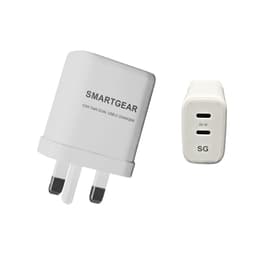
SmartGear 65W GaN Dual USB-C
- GaN III · Dual USB-C
- Samsung 45W PPS
- Foldable UK plug
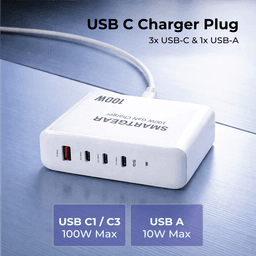
SmartGear 100W Desktop Station
- 4 ports · PD 3.1
- Charges MacBook Pro
- Desktop design
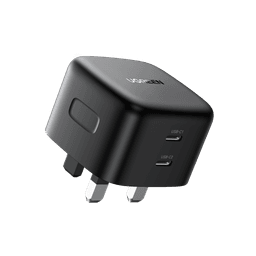
UGREEN Nexode 65W GaN
- 3 ports · Compact
- PPS for Samsung
- UK 3-pin plug
The Four Charging Speed Categories
Charging speeds fall into four tiers. They are grouped by how many watts the charger pushes to your phone.
Think of watts like water pressure. More watts = faster charge. A 5 W charger is a gentle trickle. A 100 W charger is a fire hose.
Standard Charging
Legacy TechnologyVoltage/Current
5V @ 1A
Time to Charge
3-4 hours (0-100%)
Basic USB charging, legacy devices
Fast Charging
Voltage/Current
9V @ 2-3A
Time to Charge
1-1.5 hours (0-80%)
Quick Charge 3.0, USB PD 2.0, most phones
Super Fast Charging
Voltage/Current
15V @ 3A or 20V @ 3.25A
Time to Charge
30-45 min (0-80%)
Samsung SFC, USB PD 3.0 PPS, flagship phones
Ultra Fast Charging
Voltage/Current
20V @ 5A+
Time to Charge
15-20 min (0-80%)
VOOC/SuperVOOC, OnePlus Warp, Chinese brands
Major Charging Protocols Compared
Each phone brand uses its own charging system. Here's a simple breakdown of the four main ones.
Jargon buster: USB PD = USB Power Delivery (the universal standard). PPS = Programmable Power Supply (lets the charger fine-tune voltage in real time). GaN = Gallium Nitride (a chip material that makes chargers smaller and cooler).
USB Power Delivery (PD)
Developed by USB Implementers Forum
Max Wattage
240W (PD 3.1)
Common Wattages
18W, 27W, 45W, 65W, 100W
Battery Health Rating
Excellent — PPS adjusts power to protect your battery
Compatible Devices
iPhones, iPads, MacBooks, Android phones, Windows laptops
Key Feature
Works with almost every device — phones, tablets, and laptops
Qualcomm Quick Charge 4+/5
Developed by Qualcomm
Max Wattage
100W (QC 5.0)
Common Wattages
18W, 27W, 45W
Battery Health Rating
Very good — adapts speed to protect battery life
Compatible Devices
Android phones with Snapdragon processors
Key Feature
Built into most Android phones with Snapdragon chips
Samsung Super Fast Charging (SFC)
Developed by Samsung
Max Wattage
45W
Common Wattages
25W, 45W
Battery Health Rating
Very good — monitors temperature and adjusts speed
Compatible Devices
Samsung Galaxy S/Note/Fold series
Key Feature
Your charger must support PPS — not all do
OPPO VOOC / SuperVOOC
Developed by OPPO / OnePlus
Max Wattage
240W (SuperVOOC)
Common Wattages
30W, 65W, 80W, 120W, 150W
Battery Health Rating
Good — custom heat management built in
Compatible Devices
OPPO, OnePlus, Realme phones
Key Feature
Uses low voltage and high current — so your phone stays cooler
Real-World Speed Test Results
Specs are one thing. Real speed is another. We tested each tier on a 4,500 mAh phone battery — the size most flagships use today.
The table below shows how much charge you get after 30 minutes, one hour, and how long a full charge takes.
| Protocol | Watts | 30 Min | 1 Hour | Full Charge | Efficiency |
|---|---|---|---|---|---|
| 5W Standard | 5W | 15% | 30% | 3-4 hours | 75% |
| USB PD 18W | 18W | 35% | 65% | 1.5 hours | 88% |
| USB PD 27W | 27W | 45% | 80% | 1 hour | 90% |
| Super Fast 45W | 45W | 55% | 95% | 45 min | 85% |
| SuperVOOC 120W | 120W | 100% | N/A | 15-20 min | 82% |
Key Observations
- 27 W is the sweet spot. It reaches 80% in one hour and wastes the least energy (90% efficient).
- 45 W+ is great in a hurry. It is noticeably faster, but extra heat lowers efficiency a little.
- 120 W is blazing fast. But it needs a special cable and charger, and it does wear your battery quicker.
Battery Health Impact: The Full Picture
Yes, fast charging does wear your battery faster. But the effect is smaller than most people think.
Four factors decide how much damage charging does. We have rated each one so you know which to worry about and which to ignore.
Heat Generation
High ImpactFast Charging (18-27W)
Warm (30–35 °C)
Super Fast Charging (45W+)
Hot (35–40 °C)
Impact on Battery
Heat is the biggest battery killer. Every 10 °C rise shortens battery life by 15–20%.
How to Mitigate: Take your case off while charging. Keep your phone out of direct sunlight.
Charging Cycles
Moderate ImpactFast Charging (18-27W)
500–800 full cycles
Super Fast Charging (45W+)
300–500 full cycles
Impact on Battery
You get fewer total charges before the battery wears out — roughly 20–30% fewer.
How to Mitigate: Charge slowly overnight. Save fast charging for when you actually need it.
Voltage Stress
Low ImpactFast Charging (18-27W)
Moderate (9–12 V)
Super Fast Charging (45W+)
Higher (15–20 V)
Impact on Battery
Higher voltage puts more strain on battery cells over time. The effect is small with modern chargers.
How to Mitigate: Use a charger with PPS — it adjusts voltage automatically to reduce wear.
Smart Charging Curve
BeneficialFast Charging (18-27W)
Good — slows down at 80%
Super Fast Charging (45W+)
Excellent — PPS fine-tunes power in real time
Impact on Battery
Good chargers slow down near full charge. This alone cuts battery stress by up to 40%.
How to Mitigate: Pick a charger with PPS support. Most UGREEN and Baseus models include it.
The Verdict on Battery Health
Modern chargers (18–45 W) with PPS are much kinder to batteries than older models. They slow down automatically near full charge, which cuts stress by up to 40%.
Bottom line: Stick with a reputable brand — UGREEN, Baseus, Anker, or your phone’s original charger. The tiny extra wear from fast charging is nothing compared to these three things:
- Letting your phone drain to 0% regularly
- Leaving it in a hot car or freezing cold
- Normal battery ageing over 2–3 years of use
When to Use Fast vs Super Fast Charging
There is no single best speed. It depends on your situation right now.
Scan the six scenarios below. Find the one that matches your day, and follow its advice.
Emergency Top-Up
Best Choice
Super Fast Charging (45W+)
Trade-off
Slightly increased heat, worth it for urgency
Why
Need 50% charge in 15-20 minutes before leaving
Recommendation: Use super fast charging without concern
Daily Overnight Charging
Best Choice
Standard/Fast Charging (5-18W)
Trade-off
Takes longer, but maximizes battery longevity
Why
8 hours available, no rush
Recommendation: Use standard charging to preserve battery health
Desk Charging (Office)
Best Choice
Fast Charging (18-27W)
Trade-off
Neither extreme - good middle ground
Why
Balances reasonable speed with battery preservation
Recommendation: Ideal for most situations
Car/Travel Charging
Best Choice
Fast to Super Fast (27-45W)
Trade-off
Slightly more heat, but time-constrained
Why
Limited time in vehicle, need quick top-up
Recommendation: Use faster charging due to time constraints
Battery Below 20%
Best Choice
Super Fast Charging
Trade-off
Minimal impact when battery is low
Why
Battery accepts high current better when depleted
Recommendation: Fast charging is safest when battery is depleted
Battery 80-100%
Best Choice
Let it stop/slow automatically
Trade-off
Forcing full charge stresses battery
Why
All modern chargers taper current in this range
Recommendation: Stop charging at 80% if possible
Cost-Benefit Analysis by User Type
Should you spend more on a super fast charger? That depends on one thing: how often you reach for your phone.
Find your user type below. We break down the cost, the time you will save, and the impact on your battery.
Heavy User (5+ hours screen time/day)
Worth It ✓Charging Needs
Multiple daily charges, frequent travel
Recommended Wattage
45-65W Super Fast
Charger Investment
$$$
Time Value Gain
High - saves 2-3 hours/week
Battery Degradation
Moderate - budget for battery replacement year 2
Reasoning
You charge a lot, so those saved hours each week add up. The small extra cost and battery trade-off are worth it.
Moderate User (2-4 hours screen time/day)
Worth It ✓Charging Needs
Once daily, occasional quick top-up
Recommended Wattage
18-27W Fast
Charger Investment
$$
Time Value Gain
Medium - saves 30-60 min/week
Battery Degradation
Low - battery lasts 3+ years
Reasoning
A good middle ground. Fast enough when you need it, and gentle on your battery day to day.
Light User (1-2 hours screen time/day)
Skip ItCharging Needs
Every other day, never urgent
Recommended Wattage
5-18W Standard/Fast
Charger Investment
$
Time Value Gain
Low - rarely time-constrained
Battery Degradation
Minimal - battery lasts 4+ years
Reasoning
No rush, so save your money and keep your battery healthy for years.
Recommended Fast Charging Products
Ready to upgrade? These two brands offer the best mix of speed, safety, and price in the UK right now.
Both support USB PD with PPS. Both use GaN chips. You can also compare them side-by-side in our Baseus vs UGREEN comparison.
The Bottom Line
- ✅18–27 W (Fast) — Best for most people. Quick enough for daily use, easy on your battery, and affordable.
- ⚡45–65 W (Super Fast) — Great if you use your phone a lot. Modern PPS keeps battery wear small.
- 🔥100 W+ (Ultra Fast) — Impressive for emergencies, but overkill for everyday charging. It does wear your battery faster.
Related Reading
USB-C Charging Explained
Everything you need to know about USB-C cables, plugs, and Power Delivery
Why Fast Chargers Overheat
What causes charger heat and how to keep things cool
2026 Power Bank Buying Guide
How to pick the right portable charger for your needs
Anker vs UGREEN — Brand Comparison
Which brand has the best fast-charging tech? Full head-to-head comparison
Related Articles
Continue learning with these helpful guides
Why Most Fast Chargers Overheat (And How to Choose One That Doesn't)
Discover the science behind fast charger overheating. Learn about power conversion efficiency, thermal design flaws, and how to identify chargers with superior heat management.
USB-C Charging Explained: Everything You Need to Know in 2026
Learn about USB-C charging standards, Power Delivery protocols, and how to choose the right USB-C charger for your devices.
Best Phone & Laptop Chargers in the UK (2026): Expert Reviews & Buying Guide
Expert-tested reviews of the best phone and laptop chargers available in the UK market. UGREEN, Baseus, and Anker compared with real-world performance data.