Qi2 Wireless Charging Explained: The Complete UK Guide (2026)
Qi2 is the biggest leap in wireless charging since the original Qi standard launched in 2010. It's faster, more efficient, universally compatible, and — most importantly — it finally makes wireless charging reliable thanks to built-in magnetic alignment.
If you've ever placed your phone on a wireless pad only to find it barely charged the next morning (because it shifted 3mm off-centre), Qi2 solves that problem forever. Here's everything you need to know.
Qi2 pads need a USB-C power adapter
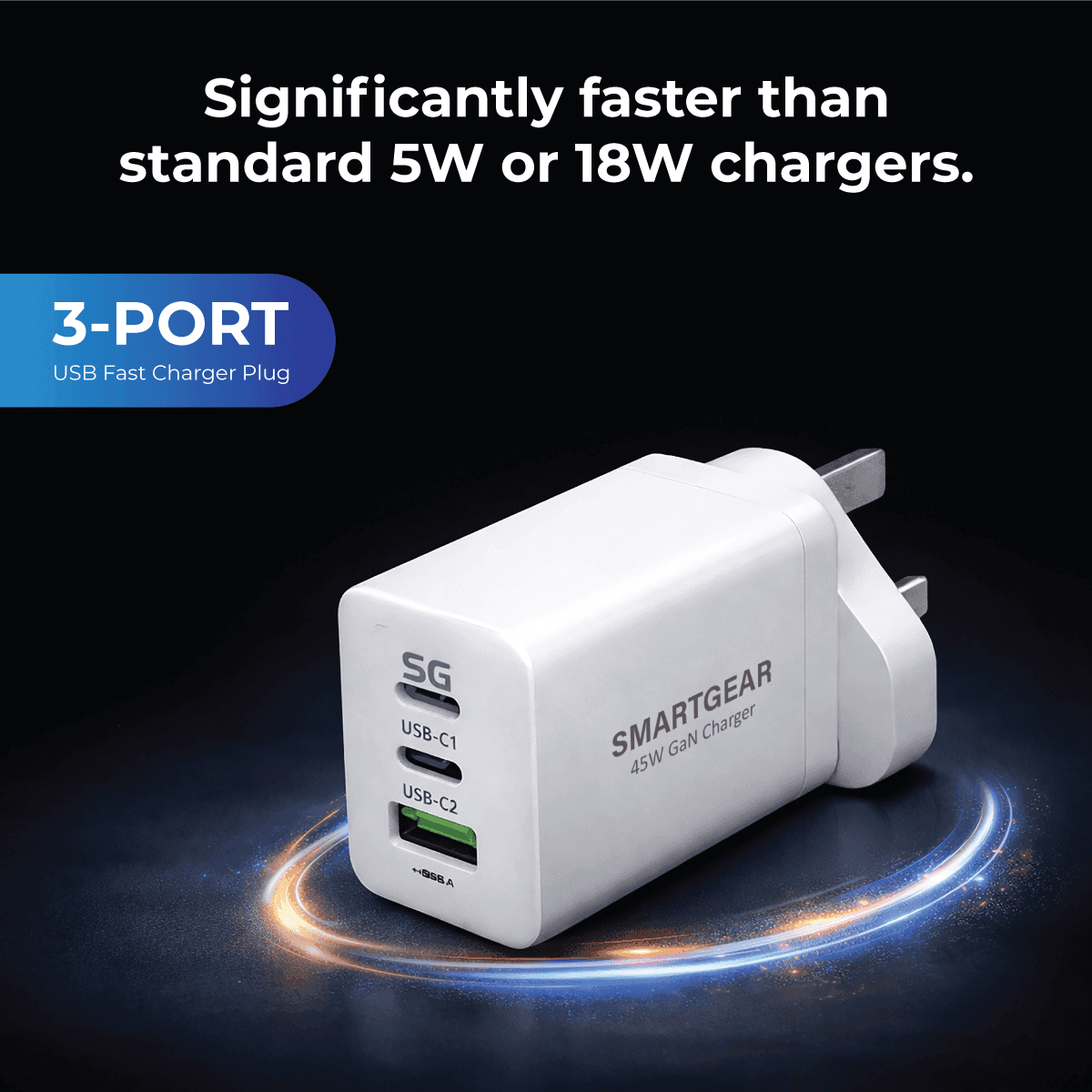
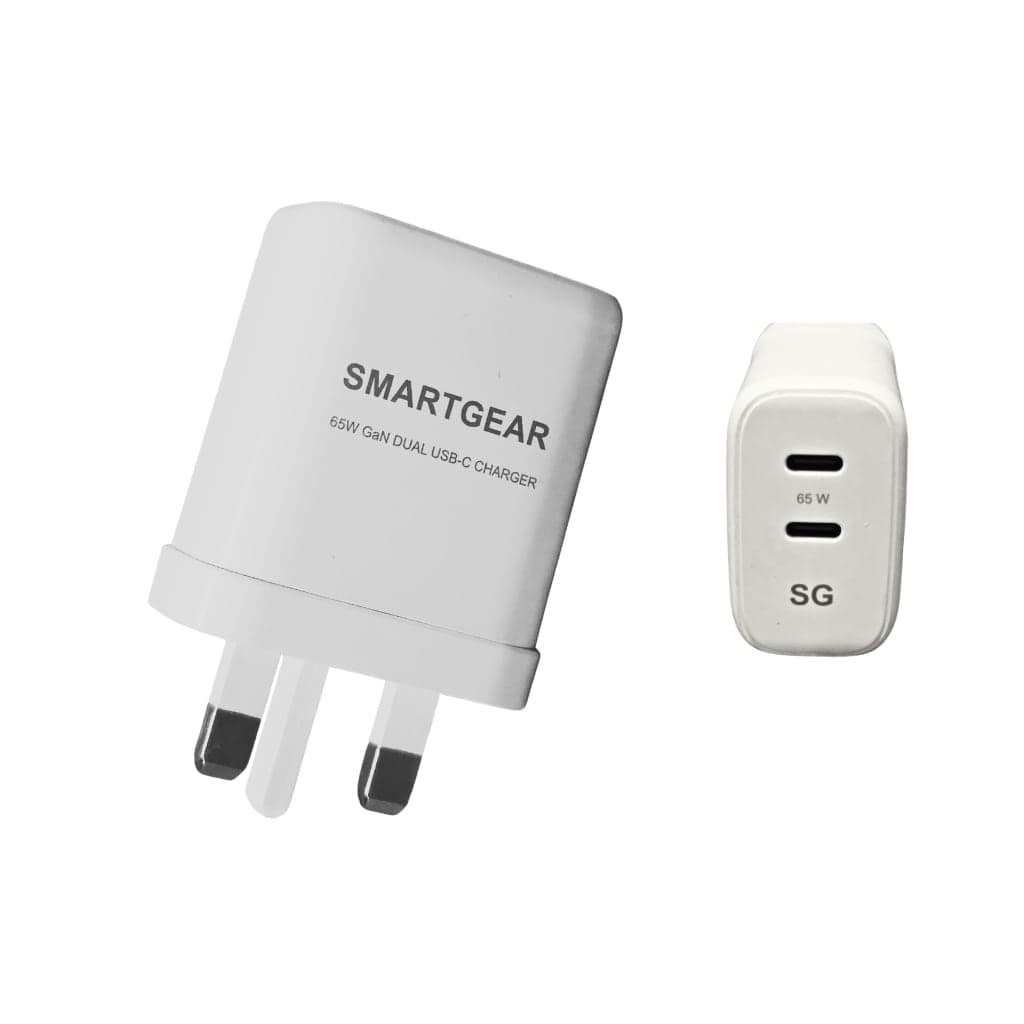
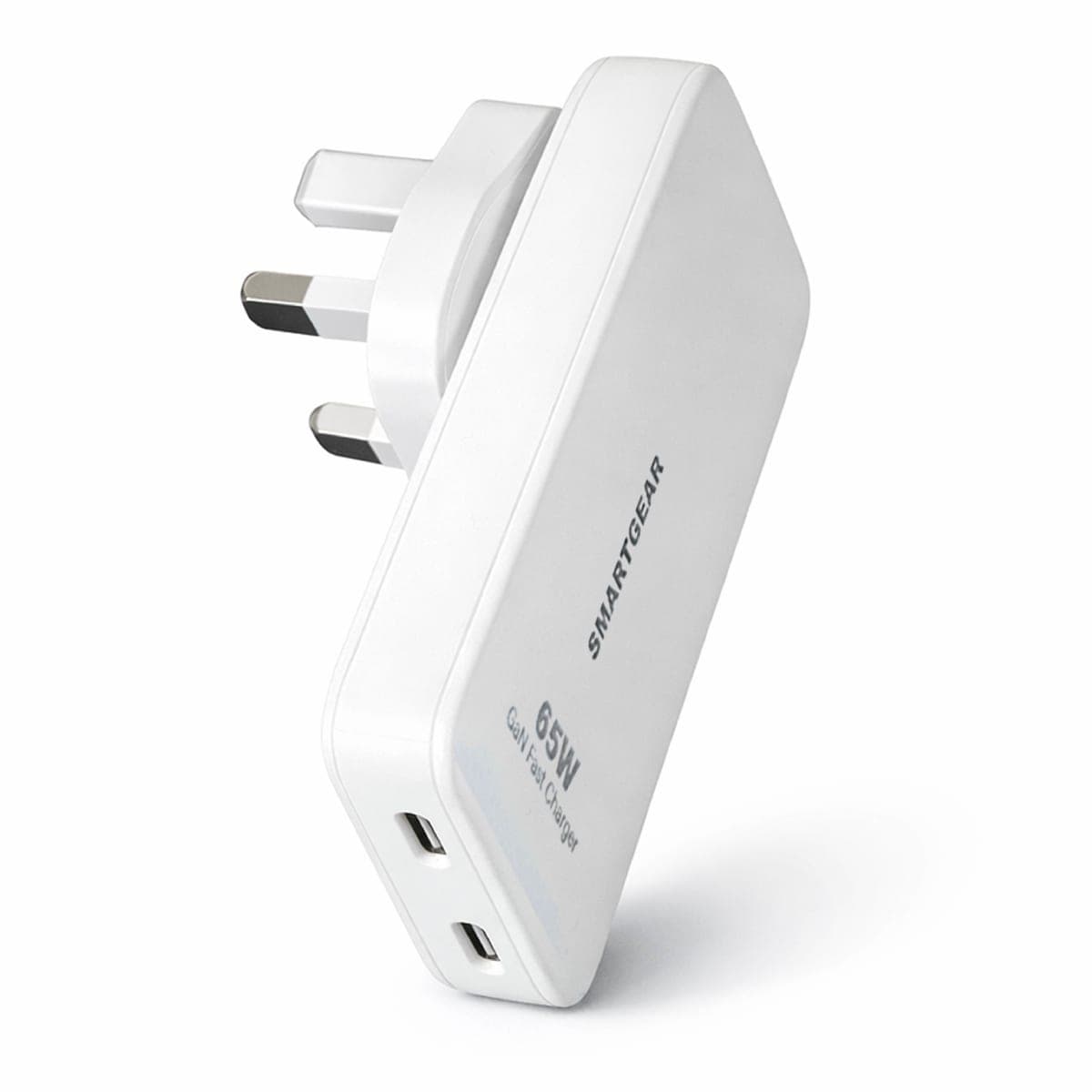
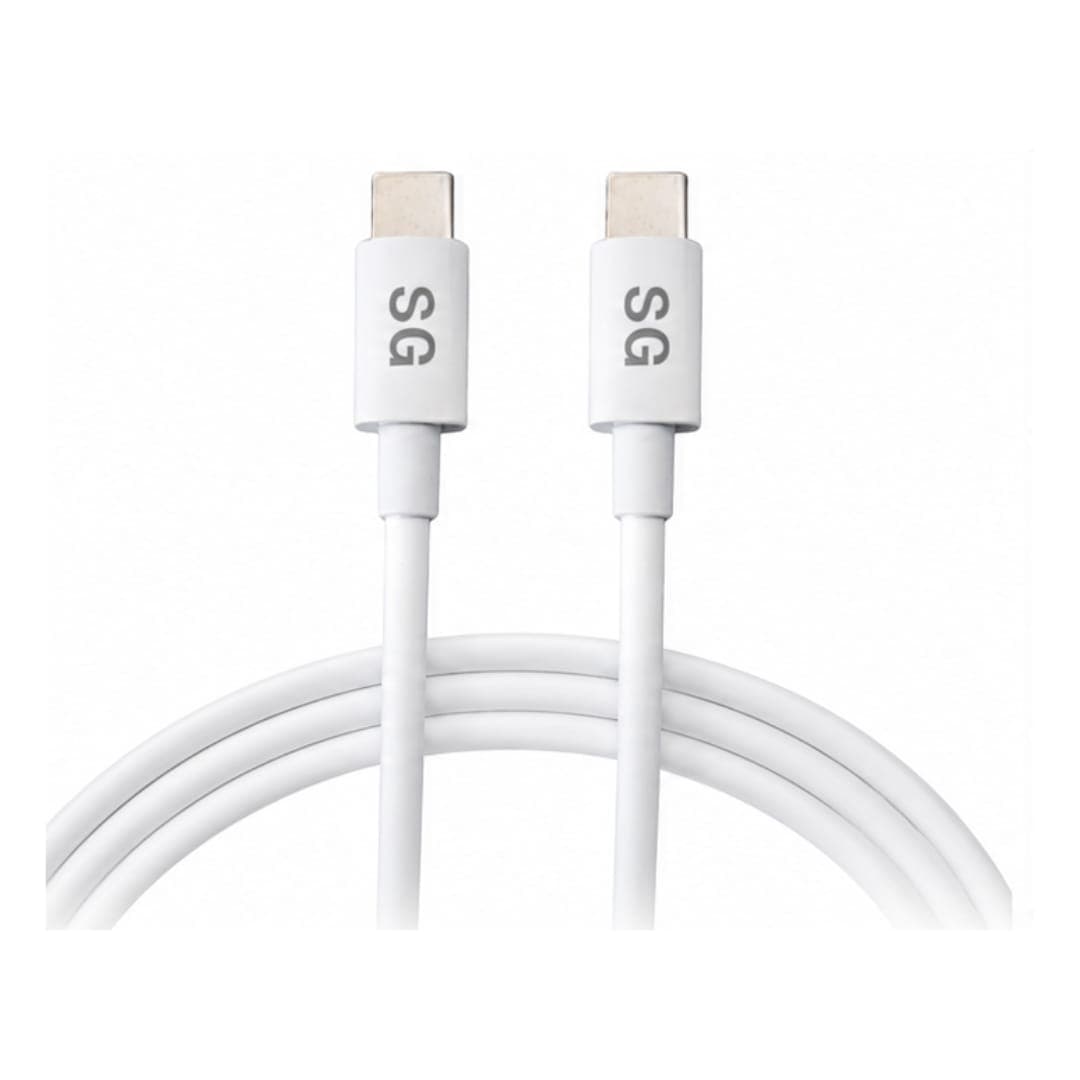
All productsMost Qi2 and MagSafe pads ship without a plug. A 20W+ USB-C PD adapter is what lets a pad reach 15W, and every charger here clears that, from £8.99.
Key Takeaways
- Qi2 = “MagSafe for everyone” — Apple's magnetic alignment, open-sourced as a universal standard
- Up to 30W wireless with Qi2 v2.0 — twice the speed of original Qi
- Works with iPhone AND Android — Samsung Galaxy S25, Pixel 9, OnePlus 13 all support Qi2
- Backward compatible — Qi2 chargers still charge Qi1 phones (just without magnets)
- Better for battery health — perfect alignment = less heat = longer battery life
In This Article
- 1.What Is Qi2? The 60-Second Explanation
- 2.Timeline: From Qi1 to Qi2 (2008–2026)
- 3.How Qi2 Magnetic Alignment Works
- 4.Qi2 vs Qi1 vs MagSafe: Full Comparison
- 5.Which Devices Support Qi2?
- 6.Qi2 Speed & Efficiency Deep Dive
- 7.Qi2 Charger Buying Guide (UK)
- 8.Qi2 & Battery Health
- 9.The Future: Qi2 v3.0 & Beyond
- 10.FAQ: 10 Questions Answered
What Is Qi2? The 60-Second Explanation
Qi2 (pronounced “chee two”) is the second major version of the Qi wireless charging standard, managed by the Wireless Power Consortium (WPC) — the same organisation behind the original Qi standard used by billions of devices worldwide.
Qi2 in Three Sentences
- 1Magnets built in. Every Qi2 phone and charger has a standardised ring of magnets that snap together for perfect coil alignment — just like Apple's MagSafe, but open to all brands.
- 2Faster & more efficient. Perfect alignment means less energy wasted as heat, enabling higher power transfer. Qi2 v2.0 supports 30W+ wireless charging (up from Qi1's practical 10–15W).
- 3Universal. One charger works with iPhone, Samsung, Google Pixel, OnePlus, and any other Qi2 device. No more brand-specific chargers or wondering if it'll work.
The MagSafe Connection: In 2023, Apple contributed its MagSafe magnetic alignment technology to the WPC as the foundation for Qi2. This was a landmark move — Apple essentially open-sourced its proprietary charging technology so the entire industry could benefit. The result is that Qi2 chargers and MagSafe chargers are physically compatible and use the same magnetic ring dimensions.
For UK buyers, Qi2 means you can buy one wireless charger that works perfectly with every phone in your household — regardless of brand. No more keeping separate chargers for iPhones and Samsungs.
Timeline: From Qi1 to Qi2 (2008–2026)
Wireless charging has been evolving for nearly two decades. Understanding the history helps explain why Qi2 matters so much — and why it took this long to get magnetic alignment right.
Wireless Power Consortium (WPC) founded
WPC Formation200+ companies form consortium to develop universal wireless charging standard.
Qi 1.0 released
Qi 1.0First Qi standard — up to 5W inductive charging. Requires precise coil alignment.
Qi 1.2 — medium power profile
Qi 1.2Extended to 15W. Samsung Galaxy S6 becomes one of the first mainstream Qi phones.
Apple adopts Qi for iPhone 8/X
Qi 1.2Apple adopts Qi at 7.5W, cementing it as the universal standard. Wireless charging goes mainstream.
Apple launches MagSafe
MagSafe (proprietary)Ring of magnets for perfect alignment + NFC authentication. 15W for iPhones (vs 7.5W Qi). Proprietary — only Apple certified.
Qi2 v1.0 announced at CES
Qi2 v1.0WPC adopts Apple's MagSafe magnetic alignment as an open standard. Any manufacturer can build Qi2 chargers and devices.
First Qi2 devices ship
Qi2 v1.0iPhone 16 series natively supports Qi2. Samsung, Google, and OnePlus announce Qi2 roadmaps. First third-party Qi2 chargers from Anker, Belkin, and UGREEN.
Qi2 v2.0 — higher power + new features
Qi2 v2.0Qi2 v2.0 extends power to 30W+. Adds device-to-device charging and improved foreign object detection. Samsung Galaxy S25 series ships with Qi2.
Qi2 becomes the universal standard
Qi2 v2.0+Virtually all new flagship phones, earbuds, and smartwatches support Qi2. Qi1 chargers still work but at reduced speeds. Magnetic alignment is now expected, not optional.
How Qi2 Magnetic Alignment Works
The defining feature of Qi2 is its Magnetic Power Profile (MPP) — a standardised arrangement of magnets, alignment guides, and communication protocols that ensure perfect positioning every time.
Inside the Qi2 Magnetic Ring
1Magnet Ring
A ring of N52 neodymium magnets arranged in alternating polarity. The pattern creates a self-aligning force — the phone naturally snaps to the correct position. The ring dimensions match Apple's MagSafe specification: ~56mm outer diameter.
2Alignment Shield
A ferrite shield behind the magnets directs the magnetic field toward the phone and blocks it from interfering with internal components. This prevents the magnets from affecting credit cards in your wallet case.
3Charging Coil
Centred within the magnet ring, the transmitter coil creates an alternating electromagnetic field that induces current in the phone's receiver coil. Perfect coil overlap = maximum energy transfer, minimum heat.
4NFC Communication
An NFC module enables the charger and phone to negotiate power levels, identify device type, and verify authentication. This is how the charger knows to deliver 15W vs 5W depending on the device.
6 Real-World Benefits of Magnetic Alignment
Perfect Coil Alignment Every Time
Up to 30% more efficient than Qi1Qi2's magnetic ring ensures the transmitter coil and receiver coil overlap perfectly. With Qi1, even 5mm of misalignment could reduce charging efficiency by 20–30%.
Less Heat Wasted
3–5°C cooler than misaligned Qi1Misaligned coils in Qi1 generated stray electromagnetic fields that converted to heat. Qi2's perfect alignment means less wasted energy and lower operating temperatures.
Reliable Car & Desk Mounting
Holds phones securely at any angleMagnetic attachment means your phone stays put on car mounts, desk stands, and nightstand chargers — even on bumpy roads or if you nudge the desk.
Use While Charging
Charge + use simultaneouslyWith Qi1, picking up your phone interrupted charging. With Qi2 magnetic mounts, you can use your phone one-handed while it remains magnetically attached to the charger.
Faster Ecosystem Accessories
500+ Qi2 accessories certifiedThe standardised magnetic ring enables a universe of accessories: wallets, battery packs, car mounts, camera grips, and kickstands that snap on magnetically.
Better Foreign Object Detection
Enhanced safety vs Qi1Qi2's Magnetic Power Profile includes improved FOD (Foreign Object Detection). If a coin, key, or credit card slips between phone and charger, charging stops immediately to prevent heat damage.
Qi2 vs Qi1 vs MagSafe: The Full Comparison
This is the question everyone asks: how does Qi2 compare to old Qi and to Apple's MagSafe? Here's the definitive comparison across every metric that matters.
| Feature | Qi1 (Legacy) | MagSafe | Qi2 ⭐ |
|---|---|---|---|
| Maximum Power | 15W | 15W (iPhone) | 15W (v1.0), 30W+ (v2.0) |
| Magnetic Alignment | ❌ None — manual placement | ✅ Strong magnets — Apple devices only | ✅ Strong magnets — universal standard |
| Alignment Efficiency | 60–75% (varies with placement) | 85–90% (perfect alignment) | 85–90% (perfect alignment) |
| Phone Compatibility | Any Qi-enabled phone | iPhone 12+ (full speed) | Any Qi2-enabled phone (growing fast) |
| Charger Ecosystem | Massive — thousands of chargers | Apple-certified only (~200 products) | Growing rapidly — 500+ certified products |
| Certification Required | WPC Qi certification | Apple MFi certification (expensive) | WPC Qi2 certification (open, affordable) |
| Foreign Object Detection | Basic | Advanced (NFC handshake) | Advanced (improved in v2.0) |
| Heat Management | Varies — poor alignment = more heat | Good — Apple thermal throttle | Very Good — alignment reduces waste heat |
| Backward Compatibility | N/A (baseline) | Charges Qi1 phones at 7.5W | Charges Qi1 phones at up to 7.5W |
| Future-Proofing | ⚠️ Legacy — no longer actively developed | ⚠️ Apple moving to Qi2 as base | ✅ Active development — v3.0 roadmap announced |
The Verdict
Qi2 wins on almost every metric. It combines the best of Qi1 (universal compatibility) and MagSafe (magnetic alignment) into a single open standard. The only area where Qi1 still leads is ecosystem size — but that's changing rapidly as every major brand adopts Qi2.
For most UK buyers in 2026, Qi2 is the charger to buy. It works with every phone, aligns perfectly, and is future-proofed for faster speeds as Qi2 v2.0/v3.0 roll out.
Which Devices Support Qi2? (Complete 2026 List)
Qi2 device support has exploded in 2025–2026. Here's the complete list of Qi2-compatible devices available in the UK, including maximum wireless charging speeds.
Smartphones
Native Qi2 + MagSafe
Qi2 via software update
MagSafe magnets compatible
Samsung's first native Qi2 phones
Qi2 on foldables
Qi2 with mag cases
First OnePlus with Qi2
Earbuds & Wearables
Snaps magnetically to Qi2 pads
Built-in Qi2 magnets
Qi2 case charges on any pad
Smartwatches
Not Qi2 — uses Apple Watch puck
Samsung proprietary wireless
Tablets & Laptops
Apple hasn't added wireless to iPad yet
No Qi2 in tablets yet — expected 2027+
Important Note for Smartwatches: Most smartwatches (Apple Watch, Galaxy Watch) use their own wireless charging standards — not Qi2. You'll still need a dedicated watch charger or a 3-in-1 charging station that includes a watch puck alongside the Qi2 phone pad.
Qi2 Speed & Efficiency: The Deep Dive
Speed is the #1 question about any charging technology. Here's how Qi2 performs in real-world charging scenarios — no marketing fluff, just data.
Real-World Charging Times
| Phone | Qi1 (7.5W) | Qi2 (15W) | Wired (20W) | Wired (45W) |
|---|---|---|---|---|
| iPhone 16 Pro (3,582mAh) | ~3h 15min | ~1h 45min | ~1h 30min | ~1h 15min |
| Samsung S25 Ultra (5,000mAh) | ~4h 30min | ~2h 15min | ~1h 50min | ~1h 05min |
| Google Pixel 9 Pro (5,060mAh) | ~4h 15min | ~2h 30min | ~2h 00min | ~1h 15min |
Energy Efficiency Comparison
The Efficiency Gap is Closing. Qi2's magnetic alignment closes roughly half the efficiency gap between wireless and wired charging. At 85%+ efficiency, you're losing about 15p per month in electricity compared to wired charging — genuinely negligible for the convenience of magnetic snap-on charging.
Qi2 Charger Buying Guide (UK 2026)
Not all Qi2 chargers are created equal. Here's what to look for — and what to avoid — when buying a Qi2 wireless charger in the UK.
WPC Qi2 Certification
Look for the official Qi2 logo on the box. Certified chargers have passed safety, efficiency, and interoperability testing. Uncertified "Qi2-compatible" chargers may not deliver full speed.
Power Output (Watts)
Qi2 v1.0 chargers max at 15W. Qi2 v2.0 chargers can deliver 30W+. For iPhone, 15W is the maximum the phone draws. For Samsung S25, 15W Qi2 is also the ceiling currently. Higher-wattage chargers are future-proofing.
Magnet Strength
Stronger magnets = better hold. Look for chargers rated for 1,200+ gauss or that specify N52 magnets. Weak magnets let the phone slide off in car mounts or on angled stands.
Form Factor
Flat pads are cheapest. Stands let you see notifications. 3-in-1 stations charge phone + watch + earbuds. Car mounts need strong magnets + vent/dash attachment.
Included Power Adapter
Many Qi2 chargers ship WITHOUT a power adapter. A 15W Qi2 charger needs at least a 20W USB-C adapter to deliver full speed. A 30W Qi2 charger needs a 45W+ adapter. Budget for this if not included.
Cable Type & Length
Qi2 chargers connect via USB-C. Check cable length — short cables limit placement options. Quality chargers include a 1–1.5m USB-C cable.
Brand & UKCA Mark
Stick to certified brands: Anker, UGREEN, Belkin, Baseus, Mophie. Look for the UKCA mark (UK Conformity Assessment) — required for electrical products sold in the UK.
Recommended Qi2 Chargers for UK Buyers
Anker MagGo Qi2 Pad
15W Qi2, strong magnets, ultra-slim design. Includes USB-C cable, adapter sold separately.
UGREEN Qi2 3-in-1 Station
15W Qi2 phone pad + Apple Watch charger + AirPods pad. GaN power, foldable travel design.
Belkin BoostCharge Qi2 Car
15W Qi2 with strong car-mount magnets. Vent clip + dashboard mount. One-hand snap-on.
What to Avoid
- Chargers labelled “Qi2-compatible” without WPC certification — they may not deliver full speed or pass safety tests
- No-name brands without UKCA mark — legally required for electrical products sold in the UK
- Chargers advertising “30W Qi2” in 2026 — unless specifically Qi2 v2.0 certified, 30W claims may be inflated
- Cheap magnetic rings glued onto Qi1 chargers — magnets alone don't make a charger Qi2; it needs the full MPP protocol
Qi2 & Battery Health: Is Wireless Charging Safe?
One of the biggest concerns about wireless charging is battery degradation. The good news: Qi2 is significantly better for your battery than Qi1 — and the gap with wired charging has narrowed.
Qi1 Battery Issues
- • Misalignment wastes 25–35% as heat
- • Heat is the #1 battery degradation factor
- • Phone stays hot for entire charge session
- • No alignment feedback — you don't know if it's charging efficiently
- • Thick cases block signal, causing more heat
Qi2 Battery Advantages
- • Perfect alignment wastes only 12–20%
- • Significantly less heat per charge session
- • Improved FOD stops charging if obstructed
- • Magnetic snap = instant confirmation of alignment
- • Works reliably through Qi2-compatible cases
The Battery Health Bottom Line
A quality Qi2 charger combined with your phone's built-in optimised charging features (Apple's 80% limit, Samsung's Battery Protection) is perfectly safe for daily use. The extra heat compared to wired charging is marginal with Qi2's aligned coils — we're talking 2–3°C, not the 5–8°C gap that Qi1 had.
Over a 3-year phone lifespan, Qi2 wireless charging might cost you 3–5% more battery degradation than wired charging — practically insignificant for the convenience it offers.
The Future: Qi2 v3.0 & Beyond
Qi2 is just getting started. The Wireless Power Consortium has an ambitious roadmap that will transform wireless charging over the next 3–5 years.
CurrentQi2 v2.0 (2025 — Available Now)
- 30W+ wireless charging (2× current)
- Device-to-device charging (reverse wireless)
- Improved foreign object detection
- Better thermal management protocols
AnnouncedQi2 v3.0 (2027 — Roadmap)
- Up to 50W wireless charging
- Multi-device single pad (charge 2-3 devices on one surface)
- Extended range charging (up to 50mm distance)
- Integration with furniture and automotive surfaces
ConceptBeyond v3.0 (2028+ — Vision)
- Room-scale wireless power (charge devices anywhere in a room)
- Seamless integration with smart home ecosystems
- Watt-level efficiency approaching wired (95%+)
- Universal IoT device charging (sensors, smart home, wearables)
What This Means for You: If you buy a Qi2 charger today, you're buying into an actively evolving standard. Your Qi2 v1.0 charger will continue to work with every future Qi2 device (backward compatibility is guaranteed). When you eventually upgrade to a v2.0 or v3.0 charger, you'll get faster speeds with the same magnetic snap-on convenience.
Frequently Asked Questions
What is Qi2 wireless charging?
Is Qi2 the same as MagSafe?
Will my old Qi charger still work with Qi2 phones?
Do I need a special case for Qi2?
How fast is Qi2 compared to wired charging?
Does Qi2 affect battery health?
Can Qi2 charge through thick cases?
Does Samsung support Qi2?
Is it worth upgrading from Qi1 to Qi2?
What does the future of Qi2 look like?
The Bottom Line: Should You Switch to Qi2?
Yes — if your phone supports it, Qi2 is the way to charge wirelessly in 2026.
Qi2 takes everything that was good about wireless charging (convenience, no cable wear, magnetic mounting) and fixes everything that was bad (misalignment, slow speeds, excessive heat, brand lock-in). For the first time, there's a single wireless charger that works brilliantly with iPhones, Samsungs, Pixels, and every other major brand.
The magnetic snap-on experience is transformative once you try it. No more fumbling to align your phone on a pad at 2am. No more waking up to a phone that charged to 3% because it slipped off the coil. Just snap, click, charge.
Already have a Qi1 charger? It still works — but you're missing out on the magnetic convenience and efficiency improvements. A quality Qi2 charger starts at just £20, making it one of the most impactful tech upgrades for the money.
Related Reading
Wireless vs Wired Charging: Which Is Better?
Speed, cost, battery health, and convenience compared with real-world data
Is Fast Charging Bad for Your Battery?
The science-based answer on battery health, heat, and charging speed
USB-C Charging Explained
Everything about USB-C Power Delivery, PPS, and choosing the right charger
Best Wireless Chargers UK 2026
Our complete hub — Qi2, MagSafe, and wireless pads tested and compared
Qi2 Certified Chargers UK — Every Model
Complete directory of every Qi2-certified charger you can buy in the UK right now
Best GaN Chargers UK 2026
GaN technology powers the most efficient Qi2 charger adapters — our top 5 picks
Related Articles
Continue learning with these helpful guides
USB-C Charging Explained: Everything You Need to Know in 2026
Learn about USB-C charging standards, Power Delivery protocols, and how to choose the right USB-C charger for your devices.
Wireless vs Wired Charging (2026): Which Is Better? Speed, Cost & Battery Health
Data-driven comparison of wireless vs wired charging. Real-world speed tests, battery health impact, efficiency, and cost analysis for UK buyers.
Is Fast Charging Bad for Your Battery? The Science-Based Answer (2026)
Does fast charging damage your phone battery? We analyse the science, real degradation data, and 6 common myths to give you a clear, evidence-based answer.